Transport hubs and airports are vital arteries of global connectivity, but they also present attractive targets for hostile vehicle attacks.
From deliberate ramming incidents to unauthorised vehicle access, these threats pose significant risks to passenger safety and infrastructure security. Hostile Vehicle Mitigation (HVM) has therefore become an essential component in safeguarding these busy environments.
By implementing strategic physical barriers, transport authorities can dramatically reduce vulnerabilities and create safer spaces for travellers and staff alike. We explore key HVM strategies specifically designed to protect airports and transit stations from vehicle-based threats.
Understanding the Threat Landscape
Over the years, there have been unfortunate incidents where vehicles were misused in ways that threatened public safety. These events highlight the need for thoughtful precautions.
It’s important to understand that hostile vehicle threats can take different forms, from accidental or intentional unauthorised access to more deliberate attempts to cause harm. Because airports and transit stations often have large crowds and open vehicle zones, they require carefully planned defences.
Physical barriers play a crucial role in this defence, acting as a first line of protection to gently guide vehicles and prevent any unintended access to sensitive areas.
Key Strategies for Hostile Vehicle Mitigation
When it comes to protecting airports and transit hubs from vehicle-related risks, physical barriers are often the most visible and effective solution. These barriers act as controlled gatekeepers, creating clear boundaries that prevent unauthorised vehicles from entering pedestrian zones or sensitive areas.
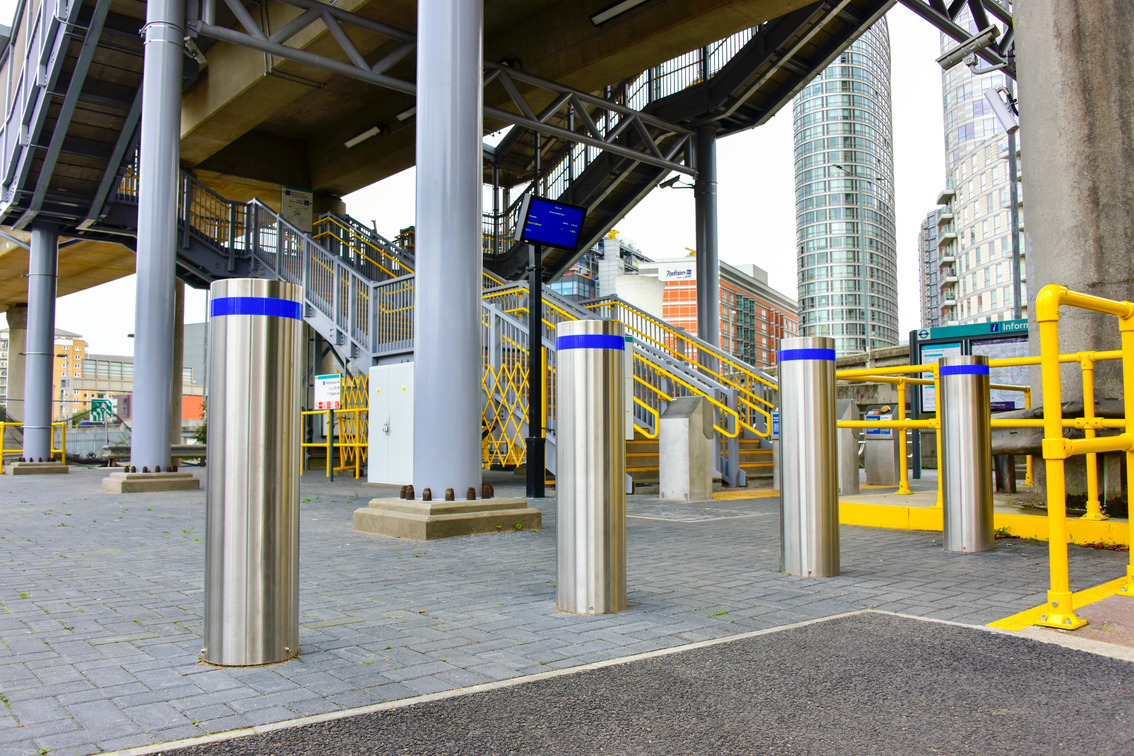
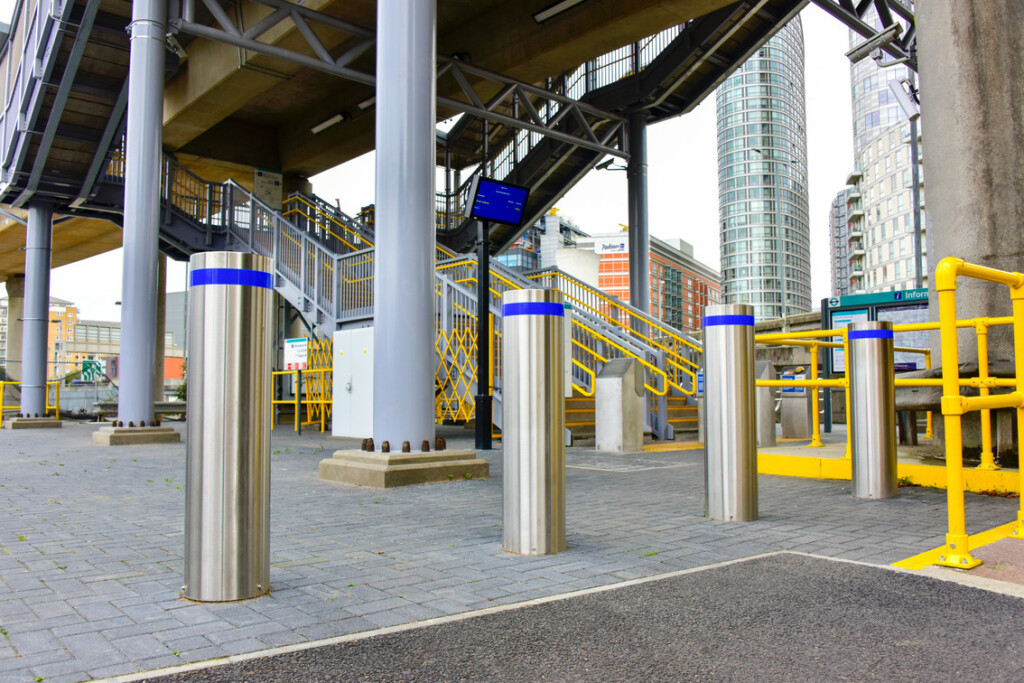
Bollards are one of the most common and versatile tools used in hostile vehicle mitigation. These sturdy posts can be strategically placed to allow smooth pedestrian flow while stopping vehicles in their tracks. They come in various designs and test ratings, allowing for both security and accessibility.
PAS 68 concrete blocks and barriers provide robust protection where higher impact resistance is needed. Often used around key infrastructure points like terminals or passenger drop-off zones, these barriers absorb and deflect the force of a vehicle, reducing the risk of damage or injury.
Planters, while aesthetically pleasing, serve a dual purpose. Large, heavy planters with a tested PAS 68 block inside can function as subtle yet effective barriers, blending security measures into the environment without compromising the welcoming atmosphere of transport hubs.
Together, these physical elements form a critical line of defence, designed not only to stop vehicles but to do so in a way that complements the space, ensuring safety without disruption.
While physical barriers form the backbone of hostile vehicle mitigation, they work best alongside other strategies such as vehicle screening, surveillance technology, and coordinated emergency response plans. When combined, these measures help create a comprehensive safety net that protects both people and infrastructure.
Design Considerations for Effective HVM
Barriers need to be placed in ways that clearly guide vehicle flow without causing unnecessary delays or confusion. For example, bollards can be arranged to allow easy access for authorised vehicles like emergency responders or service vehicles, while still preventing unauthorised entry.
Another important factor is the aesthetic integration of barriers into the surrounding architecture. Using elements like planters helps maintain the visual appeal of transport hubs, ensuring security measures do not feel intrusive. Thoughtful design can transform protective barriers into features that enhance the overall environment.
Challenges and Future Trends
Hostile vehicle mitigation is an essential part of creating safe and secure transport hubs and airports. Physical barriers like bollards, concrete blocks, and planters play a vital role in protecting passengers and infrastructure while maintaining an open, welcoming environment.
As threats continue to evolve, it’s important that security strategies adapt to combining strong physical protections with technology and coordinated planning. Investing in hostile vehicle mitigation not only safeguards lives, but also helps build confidence in the places where millions of people travel every day.