Creating safer public spaces is a priority for local authorities, event organisers, transport hubs, and property owners across the UK. With increasing awareness of vehicle-borne threats and hostile vehicle attacks, the demand for reliable hostile vehicle mitigation (HVM) measures continues to grow.
Vehicle security barriers remain one of the most effective ways to restrict vehicle access, guide pedestrian movement, and protect vital infrastructure. But with a wide range of hostile vehicle mitigation products on the market, choosing the right solution for your project can be challenging.
Why HVM Barriers Matter
Static HVM barriers provide dependable perimeter protection without the need for power, moving parts, or active operation. Once installed, these systems deliver a high level of protection against vehicle-borne attacks whilst maintaining easy access routes for pedestrians.
They are particularly effective for:
- Public realm schemes
- Government buildings
- Airports and transport infrastructure
- Event sites
- Public spaces with high footfall
- Areas where unauthorised vehicles present a threat
Hostile vehicle mitigation barriers also help designers and planners comply with UK Government guidance on hostile vehicle mitigation, ensuring their scheme meets the necessary security measures without compromising how people use the space.
CT Blocks: Heavyweight Protection for High-Risk Sites
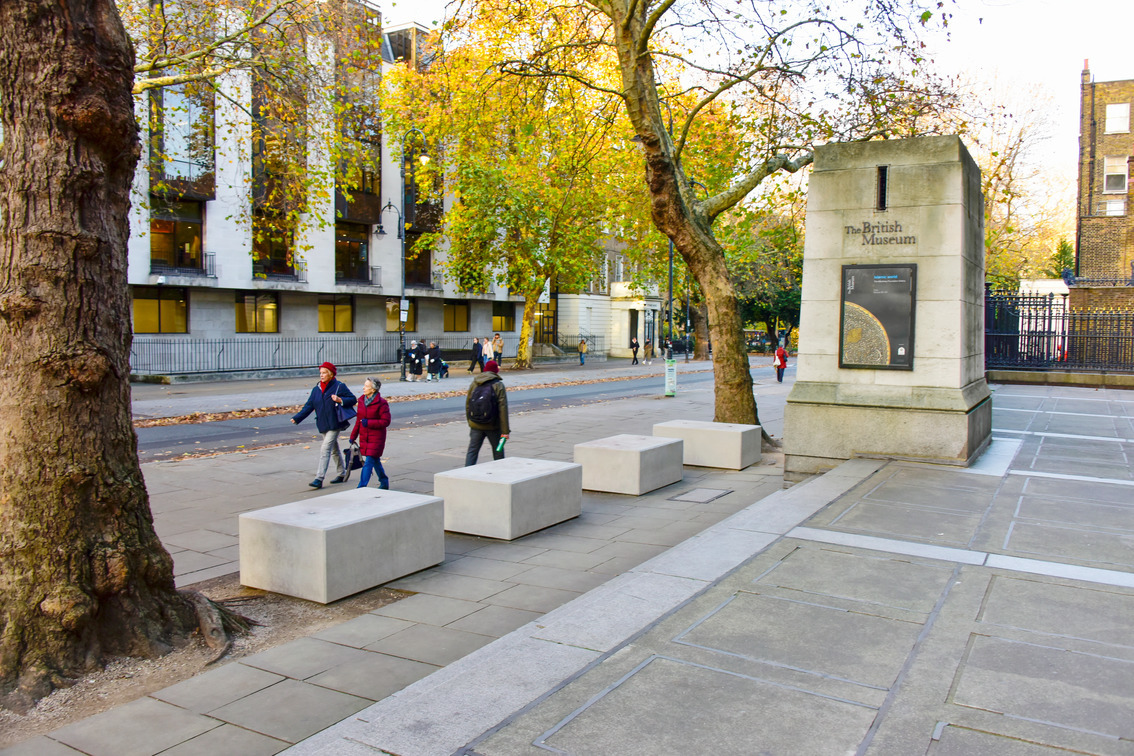
Concrete CT blocks remain one of the most capable solutions for dealing with vehicle threats in open or complex public environments. These barriers are tested to PAS 68 standards to ensure they can stop a vehicle used as a weapon, making them a trusted option for counter-terrorism strategies.
Why They Work Well in Public Realm Projects
- Weight and stability: Their mass alone provides immediate site protection without deep foundations.
- Rapid deployment: They can be delivered and installed quickly thanks to our unique shallow mount foundation technology, ideal where temporary or semi-permanent protection is needed.
- Proven performance: PAS 68 testing gives confidence that the system is capable of stopping real-world vehicle impacts.
- Versatility: Suitable for streets, plazas, building frontages, event spaces and transport hubs.
Where CT Blocks Are Used
Concrete blocks are commonly installed to protect government buildings, airports, crowded squares, and retail destinations. Their effectiveness against hostile vehicles makes them a strong deterrent as well as a physical barrier.
Bollards: Security with Architectural Appeal
PAS 68 bollards are one of the most popular hostile vehicle mitigation products for public spaces because they strike the balance between strong protection and unobstructed pedestrian movement.
Key Benefits of PAS 68 Bollards
- Permanent, foundation-based protection: Bollards create a secure line that restricts vehicle access and protects against vehicle attacks.
- Design flexibility: Available in stainless steel, mild steel, architectural finishes, and impact-rated cores.
- Ideal for high-footfall areas: They allow pedestrians to move freely whilst forming a reliable perimeter.
- Long-term durability: Once installed, they deliver ongoing protection with minimal service requirements.
Typical Applications
PAS 68 HVM bollards are widely used around building entrances, transport hubs, civic squares, sports venues, and areas where a combination of aesthetics and security is required. Their ability to integrate into existing streetscapes makes them a leading choice for long-term public realm projects.
Planters: A Discreet but Powerful HVM Solution
HVM planters offer a visually softer alternative to traditional barriers, ideal for designers who want to protect public spaces whilst still making them welcoming and attractive.
Why HVM Planters Are Effective
- Tested and engineered: These planters incorporate reinforced steel and PAS 68-rated cores capable of stopping hostile vehicles.
- Aesthetic integration: Landscaping opportunities help maintain a welcoming feel around civic buildings, event areas, and commercial districts.
- Flexible layouts: Can be installed in various metre counts or configurations to suit the site.
- Dual purpose: They provide protection whilst enhancing the appearance of public realm infrastructure.
Where They Deliver Value
Local authorities, property developers, and event organisers often select HVM planters when they need both security and visual quality. They are especially effective in mixed-use spaces where people gather, eat, walk, and socialise.
Five Top Tips to Choosing the Right Barrier for Your Scheme
1. Site Layout and Access Needs
How will pedestrians move through the space? Where must vehicle access be restricted? Does the location need temporary protection for an event or a permanent installation? These are all questions
2. Threat Level
Different sites face different vehicle threats, from accidental incursions to deliberate vehicle-borne attacks. Understand the likely threat to determine the required impact rating.
3. Aesthetic Requirements
Government buildings or commercial districts may favour bollards or planters, while transport hubs or large open spaces may rely on concrete blocks for maximum capability.
4. Installation Conditions
Ground conditions, underground services, and nearby infrastructure will influence which systems can be installed safely and effectively. Townscape’s unique shallow-mount system minimises excavation, reducing installation costs, disruption, and time. Less digging and concrete mean faster, cleaner installations, ideal for constrained sites, lowering risk while keeping budgets and schedules tight.
5. Operational Requirements
Consider maintenance needs, delivery access, long-term durability, and whether the solution must integrate with other security measures.
Working with a Specialist HVM Company
Partnering with an experienced manufacturer ensures your HVM scheme is properly assessed, tested, and installed. A specialist company can deliver a combination of measures tailored to your project, from concrete blocks and barriers to bollards and planters, ensuring every product is fully tested, secure, and fit for purpose.
No single HVM solution fits every site. But by understanding the strengths of the main HVM barriers, designers and planners can create safer public spaces that protect people without limiting how they operate or enjoy the environment.